
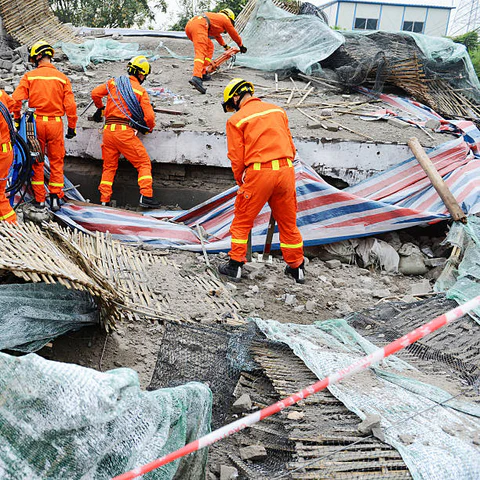
Experiencing a disaster, whether natural or man-made, can be overwhelming. From floods and storms to fires and structural damage, the aftermath can leave your property in disarray and your peace of mind shaken. Disaster clean up is not just about removing debris—it’s about restoring safety, functionality, and comfort to your home or business. Understanding the essential steps in this process can make recovery smoother, faster, and more effective.
Assessing the Damage Safely
The first step in disaster clean up is assessing the damage while prioritizing safety. After a disaster, your property may have structural weaknesses, electrical hazards, or water contamination. Before entering the property, make sure it is safe to do so. Wear protective gear like gloves, masks, and sturdy footwear. Take note of damages to the roof, walls, floors, and essential systems such as electricity and plumbing. Documenting the damage through photos and notes is crucial for insurance claims and planning the cleanup process.
Contacting Professionals
While minor cleanups can sometimes be handled personally, most disaster clean up situations require professional assistance. Restoration specialists are trained to handle hazardous materials, water extraction, structural repairs, and mold remediation. Hiring professionals ensures that the job is done efficiently and safely, reducing the risk of further damage. A reputable disaster clean up company can also help navigate insurance claims, providing documentation and detailed reports of the restoration work.
Removing Debris and Salvaging Belongings
Once safety is confirmed, the next step in disaster clean up is clearing debris. Broken furniture, damaged appliances, fallen trees, and other debris must be removed carefully. At this stage, prioritize salvaging items that can be restored. Clothing, important documents, and electronics may be cleaned, dried, or repaired depending on the type and extent of the disaster. Sorting belongings into categories of “discard,” “restore,” and “replace” helps organize the process and reduces stress.
Water Damage Management
Floods and water-related disasters require immediate attention to prevent long-term problems like mold growth. Disaster clean up in these situations often involves water extraction using pumps and wet vacuums, followed by thorough drying with fans and dehumidifiers. Special attention must be given to walls, floors, and furniture, which may harbor moisture in hidden areas. Addressing water damage quickly is essential to prevent structural deterioration and health hazards.
Mold and Contaminant Remediation
After a disaster, mold, bacteria, and other contaminants can pose serious health risks. Mold can start growing within 24 to 48 hours of water exposure, making prompt action critical. Disaster clean up professionals use specialized cleaning agents, antifungal treatments, and air purification equipment to remove mold and prevent recurrence. Areas affected by sewage or chemical spills require extra care and must be sanitized thoroughly to protect occupants.
Structural Repairs and Restoration
Once the property is clean and dry, structural repairs can begin. This may include fixing broken walls, replacing damaged flooring, repairing roofs, and restoring essential systems like plumbing and electricity. Disaster clean up extends beyond cleaning; it encompasses restoring the property to its pre-disaster condition. Proper planning, quality materials, and skilled labor are key to ensuring that the restoration is durable and meets safety standards.
Addressing Emotional and Financial Stress
Disasters are not only physically destructive but also emotionally and financially challenging. During disaster clean up, it’s important to address your own well-being. Reach out to support networks, mental health professionals, and financial advisors if necessary. Insurance claims can be complicated, so maintaining organized records of expenses, repairs, and communications with restoration companies is essential. This structured approach can ease stress and help you regain a sense of control.
Preventive Measures for Future Disasters
After completing the immediate disaster clean up and restoration, consider implementing preventive measures. This may include reinforcing structural elements, installing sump pumps, waterproofing basements, upgrading electrical systems, or creating emergency plans. By taking proactive steps, you reduce vulnerability to future disasters and minimize potential damage, saving time, money, and stress in the long term.
Conclusion
Disaster clean up is a comprehensive process that involves more than simply clearing debris. It requires careful assessment, professional assistance, water and mold management, structural repairs, and emotional resilience. By following these essential steps, property owners can navigate the aftermath of a disaster with confidence, restoring safety, functionality, and peace of mind. Investing in a systematic approach to disaster clean up not only repairs your property but also strengthens your preparedness for the future, ensuring that you and your home are better equipped to withstand unexpected challenges.
Disaster clean up is a challenging but necessary process. Prioritizing safety, engaging professionals, and approaching restoration methodically ensures the best outcomes. Recovery is not instantaneous, but with careful planning and execution, your property can be restored effectively, and your life can return to normal.