
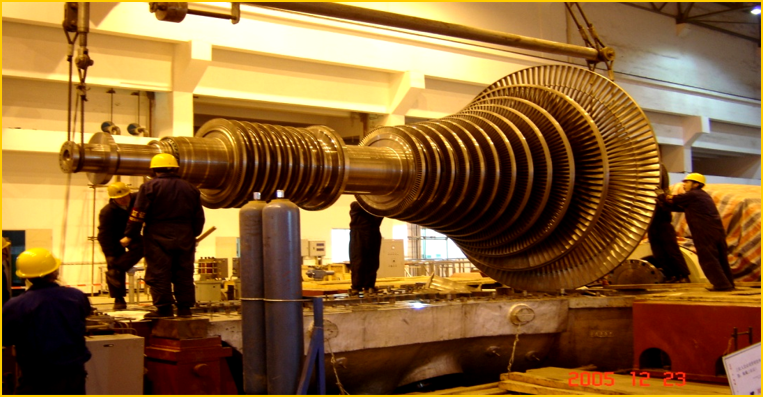
Upgrading and retrofitting a steam turbine island is a critical step for power plants aiming to maintain efficiency, reliability, and compliance with modern standards. As power plants age, performance declines, and operational costs rise. Implementing a steam turbine island retrofit for aging power plant operations can help restore performance, extend equipment life, and improve overall energy output. This guide provides a comprehensive overview of planning, executing, and optimizing retrofits for steam turbine islands.
Understanding the Need for Steam Turbine Island Retrofits
Steam turbines are central to the power generation process, converting thermal energy into mechanical energy and then into electricity. Over time, turbine components experience wear, erosion, and corrosion, which reduce efficiency and increase the risk of unexpected shutdowns. A steam turbine island retrofit for aging power plant addresses these challenges by modernizing the turbine, associated auxiliaries, and control systems.
Key reasons for retrofitting include:
- Restoring lost efficiency due to component degradation.
- Reducing unplanned outages and maintenance costs.
- Improving compliance with current environmental regulations.
- Integrating modern monitoring and control technologies for optimized operations.
Initial Assessment and Planning
A successful retrofit begins with a detailed assessment of the existing steam turbine island. Engineers should conduct a thorough inspection of turbine components, heat exchangers, piping, and control systems. Evaluating the historical performance data helps identify underperforming areas that need attention.
During the planning phase, it is essential to define retrofit objectives clearly. These may include improving thermal efficiency, increasing power output, or extending operational life. A steam turbine island retrofit for aging power plant requires collaboration between plant engineers, turbine manufacturers, and EPC contractors to ensure a customized approach tailored to the specific plant requirements.
Design Considerations for Retrofit
When designing a retrofit for a steam turbine island, several factors must be considered:
- Component Upgrades: Replacing worn-out turbine blades, seals, and bearings can significantly enhance performance. Advanced materials may also be introduced to improve durability.
- Control System Modernization: Integrating state-of-the-art digital control systems enables precise monitoring and predictive maintenance. This reduces downtime and enhances operational efficiency.
- Auxiliary Systems: Boilers, condensers, and feedwater systems may also require upgrades to support improved turbine performance. Optimizing these systems ensures that the turbine operates at peak efficiency.
- Environmental Compliance: New emission standards may necessitate retrofitting emission control equipment or implementing energy recovery solutions.
Design engineers must balance the retrofit objectives with cost considerations, ensuring that the project delivers a favorable return on investment while meeting performance goals.
Execution of the Retrofit
Executing a steam turbine island retrofit for aging power plant involves careful project management to minimize downtime and maintain safety. Key steps include:
- Pre-Retrofit Preparations: Conduct detailed inspections, document existing conditions, and plan logistics for equipment replacement. Safety protocols must be established to protect personnel during shutdown and installation.
- Disassembly and Removal: Carefully dismantle worn-out components, ensuring that critical parts are cataloged for either refurbishment or disposal.
- Installation of Upgraded Components: Replace turbine blades, seals, bearings, and other essential components. Implement new control systems and integrate auxiliary system improvements.
- Alignment and Testing: Precise alignment of turbine rotors and components is crucial. Perform thorough testing and commissioning to verify performance, efficiency gains, and system stability.
A successful retrofit requires coordination across multiple teams, including mechanical, electrical, and instrumentation specialists. Effective communication and planning reduce the risk of delays and ensure that the retrofit meets its intended objectives.
Operational Optimization Post-Retrofit
After completing a steam turbine island retrofit for aging power plant, operational optimization is critical to realize the full benefits of the upgrade. This includes:
- Performance Monitoring: Utilize digital monitoring systems to track efficiency, vibration, temperature, and other critical parameters. Real-time data helps detect early signs of wear or operational issues.
- Predictive Maintenance: Advanced analytics can forecast maintenance needs, reducing unplanned outages and extending component life.
- Training and Procedures: Plant operators should be trained on new control systems and updated operational procedures to maximize efficiency and safety.
- Efficiency Audits: Regular audits ensure that the retrofit continues to deliver the expected performance gains, allowing adjustments as needed.
Optimizing operations post-retrofit not only extends the life of the turbine but also contributes to cost savings and improved power plant reliability.
Economic and Environmental Benefits
Investing in a steam turbine island retrofit for aging power plant offers both economic and environmental advantages. Upgraded turbines operate more efficiently, reducing fuel consumption and lowering operational costs. Additionally, modern control systems help minimize emissions, ensuring compliance with environmental regulations and contributing to sustainability goals.
The return on investment for retrofits can be significant, especially when considering the reduced risk of unplanned outages and the potential for increased energy output. By extending the life of existing infrastructure, retrofits provide a cost-effective alternative to complete replacement of the steam turbine island.
Choosing the Right Retrofit Partner
Selecting an experienced partner for a steam turbine island retrofit for aging power plant is critical to project success. Key considerations include:
- Proven expertise in steam turbine retrofits and power plant modernization.
- Access to high-quality components and advanced control systems.
- Strong project management capabilities to minimize downtime.
- Commitment to safety, quality, and environmental standards.
Working with a skilled EPC contractor or turbine manufacturer ensures that the retrofit is executed efficiently and delivers the desired operational improvements.
Conclusion
Retrofitting a steam turbine island is a strategic investment for power plants facing aging infrastructure and declining performance. A well-planned and executed steam turbine island retrofit for aging power plant can restore efficiency, extend equipment life, and enhance reliability. From detailed assessment and design to execution and post-retrofit optimization, each step is crucial for achieving maximum benefits. By focusing on modern technologies, precise execution, and operational excellence, power plants can continue to deliver reliable, cost-effective, and environmentally responsible electricity for years to come.
A carefully managed retrofit not only revitalizes aging equipment but also positions the plant for future success, ensuring it remains competitive in an evolving energy landscape.