
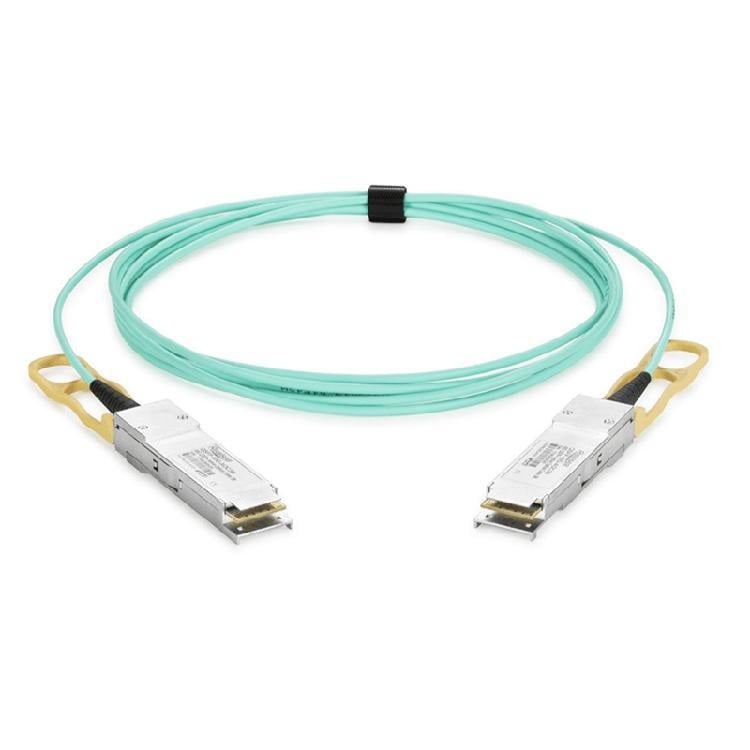
The world of high-speed networking has seen rapid advancements over the past decade, and one of the most transformative technologies is the QSFP28 active optical cable. With the increasing demand for faster data transfer rates, cloud computing, and high-performance computing environments, traditional copper cables are struggling to keep up. This is where the qsfp28 active optical cable comes into play, offering a reliable and efficient solution for data centers, enterprise networks, and telecommunication infrastructures.
The Evolution of Data Transfer Technologies
Historically, networking relied heavily on copper cabling, such as Cat6 and Cat7, to transmit data across networks. While copper has served the industry well, it has limitations in terms of speed, distance, and interference. High-speed networks require solutions that can handle massive amounts of data with minimal latency. The development of fiber optics introduced significant improvements, allowing networks to transmit data over longer distances without signal degradation.
However, traditional fiber optic transceivers and cables, while effective, often come with complexities in terms of installation and cost. This challenge gave rise to qsfp28 active optical cables, which combine the efficiency of fiber optics with the simplicity of a plug-and-play interface.
Understanding QSFP28 Active Optical Cables
The qsfp28 active optical cable is a type of high-speed interconnect designed for 100G Ethernet and similar high-bandwidth applications. QSFP28 stands for Quad Small Form-factor Pluggable 28, indicating its support for 28Gbps per channel across four channels. Active optical cables integrate optical transceivers directly into the cable ends, enabling longer transmission distances compared to passive copper cables without the need for additional transceivers or adapters.
This integration allows network engineers to achieve faster and more reliable data connections while maintaining a compact and manageable cabling infrastructure. Unlike passive copper solutions, which are limited to short-range applications, QSFP28 active optical cables can transmit data over distances of up to 100 meters or more, making them ideal for large-scale data centers and high-performance computing clusters.
Advantages of QSFP28 Active Optical Cables
High-Speed Data Transmission
One of the most significant advantages of the qsfp28 active optical cable is its ability to support high-speed data transmission. With data rates of up to 100Gbps, these cables meet the growing demands of bandwidth-intensive applications such as cloud computing, AI workloads, and real-time data analytics. By leveraging optical signals, QSFP28 cables minimize signal loss and interference, ensuring data integrity even at high speeds.
Long-Distance Connectivity
Unlike traditional copper cables, which degrade over longer distances, QSFP28 active optical cables maintain signal strength across extended spans. This capability makes them highly suitable for modern data centers, where servers, switches, and storage units are often spread across large areas. Fiber-mart offers a range of QSFP28 cables optimized for long-distance connectivity, allowing enterprises to scale their networks without compromising performance.
Plug-and-Play Installation
Another major benefit of QSFP28 active optical cables is their ease of installation. These cables are designed for plug-and-play use, eliminating the need for complex configurations or additional transceivers. IT teams can quickly deploy these cables in high-density networking environments, reducing downtime and simplifying network upgrades. Fiber-mart’s QSFP28 solutions are specifically engineered to provide seamless integration with existing network equipment, ensuring a hassle-free installation experience.
Energy Efficiency
Active optical cables consume less power compared to traditional copper cabling solutions, making them more energy-efficient. This reduction in power consumption is particularly important in large-scale data centers, where energy costs can be substantial. By adopting QSFP28 active optical cables from Fiber-mart, organizations can improve network performance while reducing their environmental footprint.
Applications of QSFP28 Active Optical Cables
Data Centers
Data centers are at the forefront of the high-speed networking revolution. The increasing demand for cloud services, virtualization, and big data analytics requires robust interconnect solutions. QSFP28 active optical cables provide the bandwidth, reliability, and scalability necessary to meet these demands. Fiber-mart’s portfolio of QSFP28 cables is designed to support high-density server racks and switches, enabling efficient and future-proof networking.
High-Performance Computing
High-performance computing (HPC) environments, such as research labs and financial institutions, require ultra-fast data transfer between computing nodes. QSFP28 active optical cables deliver the speed and low latency necessary for HPC workloads, supporting tasks like simulations, AI model training, and large-scale data processing.
Telecommunications Networks
Telecommunication providers are increasingly adopting fiber-optic technologies to meet consumer demand for faster internet speeds. QSFP28 active optical cables help telecom networks expand their reach while maintaining high-speed connectivity. Fiber-mart’s QSFP28 solutions ensure reliable performance across metro, regional, and long-haul networks.
Choosing the Right QSFP28 Active Optical Cable
When selecting a qsfp28 active optical cable, several factors should be considered:
- Cable Length: Depending on the network layout, choose cables that provide adequate distance without unnecessary slack.
- Data Rate Requirements: Ensure the cable supports the desired bandwidth, typically up to 100Gbps for QSFP28 applications.
- Compatibility: Verify compatibility with existing switches, servers, and transceivers. Fiber-mart provides detailed specifications to ensure proper integration.
- Durability: Consider cables with reinforced jackets and strain relief to withstand high-density deployment environments.
By carefully evaluating these factors, organizations can maximize the benefits of QSFP28 active optical cables while minimizing deployment issues.
Future of Networking with QSFP28 Active Optical Cables
The adoption of QSFP28 active optical cables represents a significant step toward more efficient and high-speed networking. As data demands continue to grow, network infrastructures must evolve to handle increased traffic, reduced latency, and energy efficiency. Fiber-mart’s QSFP28 offerings are at the forefront of this transformation, enabling enterprises and service providers to future-proof their networks with scalable, reliable, and high-performance solutions.
With continued innovation, QSFP28 technology is expected to play a pivotal role in emerging areas such as 5G networks, AI-driven analytics, and next-generation cloud computing. By leveraging the capabilities of QSFP28 active optical cables, organizations can ensure their networks remain agile, responsive, and ready for the demands of tomorrow.
Conclusion
QSFP28 active optical cables are revolutionizing high-speed networking by combining the benefits of fiber optics with the simplicity of plug-and-play deployment. Their high data transfer rates, long-distance capabilities, energy efficiency, and ease of installation make them an ideal choice for modern data centers, HPC environments, and telecommunication networks. Fiber-mart offers a comprehensive range of QSFP28 cables designed to meet these demands, helping businesses and service providers enhance network performance while future-proofing their infrastructure.
As networks continue to evolve, the qsfp28 active optical cable is not just a component but a cornerstone of high-speed, reliable, and scalable networking solutions. Adopting these cables today ensures that organizations are ready to meet the data challenges of tomorrow.